
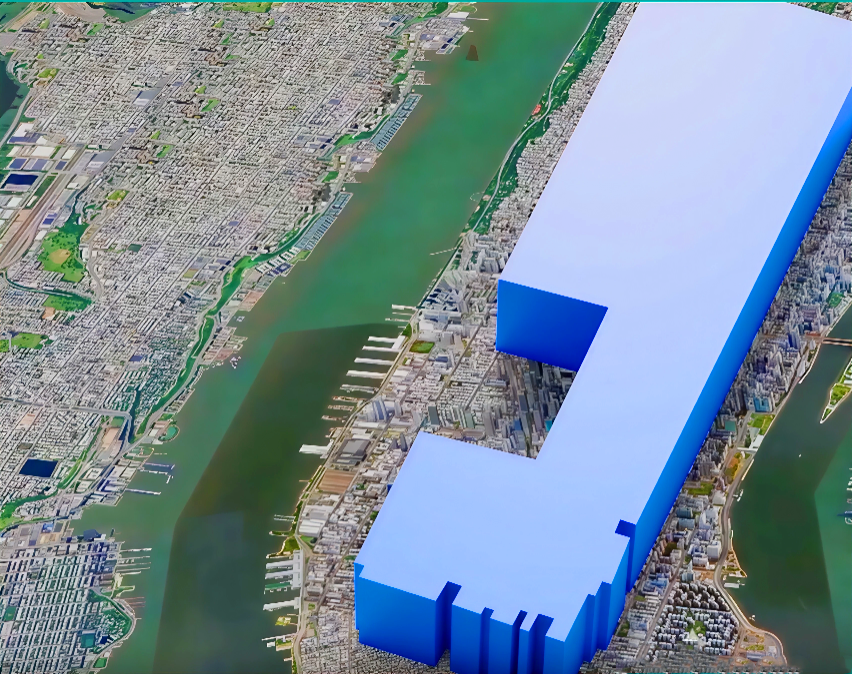
Why is Meta’s Data Center Crushing Manhattan? 🗽🖥️
🗽 Introduction: The Importance of Mega Data Centers
In recent years, the explosive rise of artificial intelligence and cloud services has put massive pressure on data centers. With its Hyperion and Prometheus projects, Meta plans to invest $29 billion to build enormous compute power that could cover a significant portion of Manhattan’s energy and processing capacity.
Sources: Bloomberg Finance, ITPro
🏗️ Hyperion & Prometheus: Meta’s Strategic Pillars
Hyperion in Louisiana has a final phase capacity of 5 GW, and Prometheus in Ohio has 1 GW. Both projects are designed for Meta’s advanced AI infrastructure.
“Just one of these superclusters covers a significant portion of Manhattan’s footprint.”
💻 AI Technology & Infrastructure
To support AI, data centers require:
- High-performance GPU servers and ultra-fast fiber networks
- Massive, reliable storage systems
- Smart heat management and cooling systems
- Backup energy systems and emergency batteries
The Hyperion phase can perform billions of AI operations per second, accelerating the development of AI models.
📈 AI Demand Forecast (Exaflops/year)
Global demand for AI compute is projected between 2025 and 2030.
🌱 Energy & Environmental Impact
5 GW projects place major pressure on local grids. Even with renewable sources, backup batteries and emergency systems are essential.
Green Energy Advantage
Using wind and solar can cut up to 70% of data center consumption.
Grid Challenge
Rapid consumption growth stresses transmission lines and requires backup batteries.
Carbon Impact
Even with renewables, server production and cooling create a significant carbon footprint.
⚡ Energy Comparison: Hyperion vs. Prometheus
The chart shows energy consumption, renewable share, and their locations.
❓ FAQs
Why does the project “crush” Manhattan?
What’s the difference between Hyperion and Prometheus?
Is renewable energy enough?
✅ Conclusion
Meta’s data centers represent the future of AI and cloud infrastructure. With massive energy demand and technical complexity, they stand at the frontline of both innovation and environmental challenges.
“Each data center is like a small city with its own energy and smart network.”